
Table of Contents
Why You Feel Lonely: Understanding Your Feelings
Loneliness is a universal human emotion. It touches people from all walks of life. Many of us experience it at some point.
You might wonder, “Why do I feel lonely?” This feeling can be painful and isolating. It’s a signal that something is missing.
This article will explore why you feel lonely and how to fix it. We will uncover common triggers and offer actionable steps. You can build deeper connections and find lasting well-being.
Why You Feel Lonely: Understanding the Root Causes
Feeling lonely often stems from various factors. These can be personal, social, or circumstantial. Understanding these roots is the first step.
It helps you address the core issues. Let’s delve into what might be contributing. Many elements can impact your sense of connection.
The Modern Paradox of Connection
We live in an incredibly connected world. Social media platforms promise to link us. Yet, many people report feeling more isolated, which helps explain why you feel lonely.
Digital connections often lack depth. They can create a sense of superficiality. This disconnect can worsen feelings of loneliness.
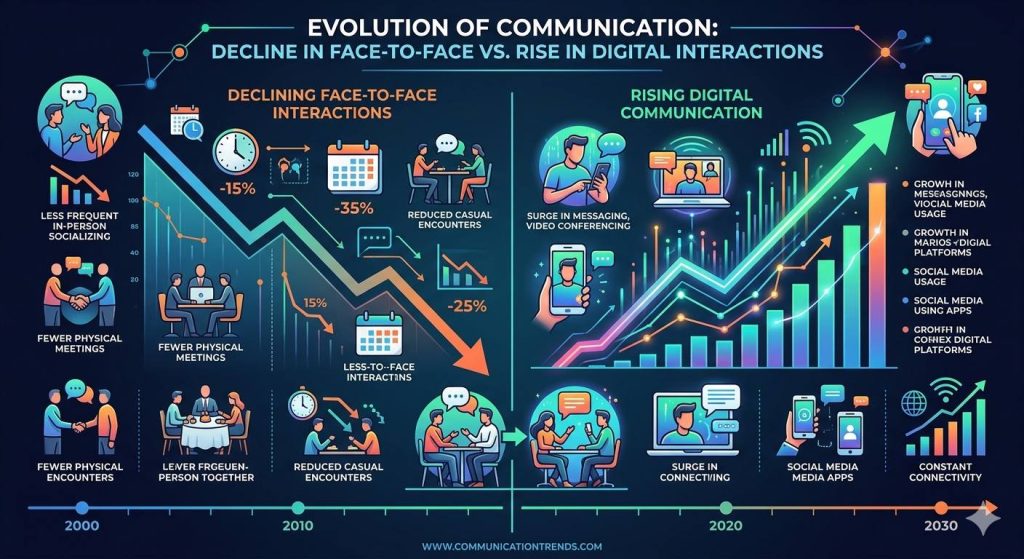
Scrolling through feeds can even foster comparison. This may lead to feelings of inadequacy. It highlights what you perceive to be missing.
Psychological & Emotional Factors
Our internal landscape plays a significant role. Certain mindsets can contribute to loneliness. They can prevent genuine connection.
- Social Anxiety or Shyness: Fear of judgment can stop you from reaching out. This can make interactions feel daunting.
- Low Self-Esteem: Believing you are unworthy of connection is harmful. It pushes others away, even unintentionally.
- Fear of Rejection: The possibility of being turned down can be paralyzing. This fear keeps many people from making an effort.
- Past Trauma or Experiences: Previous negative experiences might make you guarded. You might avoid vulnerability with new people.
- Mental Health Conditions: Depression and anxiety often include social withdrawal. These conditions amplify feelings of isolation.
Life Transitions & External Triggers
Major life changes are frequent triggers of loneliness and help explain why you feel lonely. They disrupt established routines and can leave you feeling adrift.
- Moving to a New City: Leaving behind your support network is tough. You must build new relationships from scratch.
- Job Changes or Retirement: Losing daily social interaction impacts well-being. Work often provides a built-in social structure.
- Breakups, Divorce, or Loss: The absence of a significant person creates a void. Grief often comes with profound loneliness.
- Health Issues: Chronic illness can limit social activities. It can also lead to feeling misunderstood by others.
Types of Loneliness & Their Cures
Loneliness isn’t always one-size-fits-all. Recognizing the type you’re experiencing helps. This awareness guides your path to solutions.
| Type of Loneliness | Characteristics | Recommended Approach |
| Emotional Loneliness | Lack of a deep, intimate connection; missing a close confidant or partner. | Cultivate vulnerability with trusted individuals. Focus on one-on-one relationships. Seek therapy if rooted in past attachment issues. |
| Social Loneliness | Lack of a broader social network; feeling excluded from a group or community. | Join clubs, volunteer, attend group activities. Initiate conversations in casual settings. Reconnect with old acquaintances. |
| Existential Loneliness | Feeling disconnected from purpose or meaning; a sense of being fundamentally alone in the universe. | Engage in meaningful hobbies, volunteer for a cause. Explore spirituality or philosophy. Seek a therapist specializing in existential issues. |
Addressing loneliness requires intentional effort and understanding why you feel lonely. It means taking proactive steps. You can cultivate a life rich in meaningful connections.
These seven strategies offer a roadmap. They are designed to help you reconnect. Find your way back to genuine well-being
Strategy 1: Self-Awareness & Acceptance
Begin by acknowledging your feelings. It is okay to feel lonely sometimes. Self-compassion is a powerful first step.
Understand what triggers your loneliness. Journaling can be a great tool for this. It helps you process emotions.
Practice mindfulness to stay present. A Guide to Daily Mindfulness can show you how. This enhances self-understanding and peace.
Strategy 2: Reaching Out (Even When It’s Hard)
This is often the most challenging step. Yet, it is critically important. Small actions can make a huge difference.
- Start Small: Send a simple text to a friend. Say hello to a neighbor or coworker.
- Reignite Old Friendships: Reach out to someone you’ve lost touch with. A simple message can reopen doors.
- Join a Club or Volunteer: Find groups based on your interests. Volunteer for a cause you care about.
Strategy 3: Cultivating Deeper Relationships
Focus on quality over sheer quantity. True connection requires vulnerability. It also needs active listening skills.
Show genuine interest in others’ lives. Share aspects of your own experiences. Be open to being seen and understood.
Building Healthy Relationships: A Comprehensive Guide offers further insights. Learn to foster stronger bonds
Strategy 4: Limiting Social Media Overconsumption
Mindful digital habits are crucial. Excessive scrolling can fuel comparison. It can also replace real-world interactions.
Set boundaries for your social media use. Consider regular digital detox periods. Prioritize in-person connections instead.
Use social media as a tool for planning. Connect with groups, not just to passively consume. This shifts your focus constructively.
Strategy 5: Prioritizing Your Mental Health
Your mental well-being affects everything. It profoundly impacts your ability to connect. Seek help if you struggle with mental health.
Therapy can provide valuable tools. A professional can help you process feelings. They can also develop coping mechanisms for loneliness.
You can find qualified professionals through resources like Psychology Today’s Find a Therapist. Investing in your mental health is vital.
Strategy 6: Engaging in Purposeful Activities
Finding purpose brings a sense of belonging. It can also introduce you to like-minded people. Engaging in meaningful activities boosts well-being.
Explore new hobbies or revisit old ones. Take a class, learn a new skill. Volunteering offers a sense of contribution.
These activities create natural opportunities. You can meet others who share your passions. This builds organic connections.
Strategy 7: The Power of Presence & Mindfulness
Being present in interactions deepens them. Put away your phone during conversations. Give your full attention to the person.
Mindfulness helps you appreciate small moments. It makes you more aware of your surroundings. This boosts your sense of connection to the world.
Learn more about the benefits of presence through resources like Harvard Health’s article on Mindfulness. Cultivating presence enriches every interaction.
When to Seek Professional Help
Sometimes, loneliness feels overwhelming. If it persists or severely impacts your life, it’s important to understand why you feel lonely and seek help. A mental health professional can provide support.
They can help identify underlying issues. This might include depression or anxiety. Therapy offers strategies for long-term well-being.
Conclusion: Your Journey to Connection
Understanding “Why You Feel Lonely and How to Fix It” is a powerful step. Loneliness is a challenging experience. However, it is not a permanent state.
You have the power to change your circumstances. Take these proven strategies to heart. Embrace the journey towards genuine connection.
Start small, be patient with yourself. Every step you take matters. You deserve to feel connected and valued. Your journey to well-being begins today.
Understanding why you feel lonely is the first step toward healing and connection. If you want to improve yourself further, you can read this guide on:
How to Improve Yourself as a Student: 10 Essential Strategies
Why You Feel Lost in Your 20s: 7 Proven Ways to Find Your Path