
In our fast-paced modern world, stress has become an almost unavoidable companion. From demanding work schedules to personal responsibilities, the pressures can feel relentless. However, learning effective stress management techniques isn’t just about coping; it’s about thriving. It’s about taking proactive steps to safeguard your mental and physical health, fostering resilience, and ultimately, living a more peaceful and fulfilling life.
Ignoring stress can lead to serious health issues, impacting everything from your heart to your immune system. Fortunately, a wealth of proven strategies exists to help you navigate life’s challenges with greater ease and composure. This comprehensive guide will explore practical, evidence-based methods to help you regain control and cultivate lasting well-being.
Table of Contents
• Understanding Stress: Why Effective Stress Management Techniques Are Crucial
• Core Effective Stress Management Techniques You Can Implement Today
o 1. Mindfulness & Meditation
o 2. Physical Activity & Exercise
o 3. Prioritizing Sleep for Mental Clarity
o 4. Building Strong Social Connections
o 5. Time Management & Organization
o 6. Healthy Nutrition & Hydration
o 7. Setting Boundaries & Learning to Say No
o 8. The Power of Journaling and Self-Reflection
• Crafting Your Personalized Stress Management Plan
Understanding Stress: Why Effective Stress Management Techniques Are Crucial
Stress is your body’s natural response to perceived threats or demands. While short bursts of stress can be beneficial, helping you react quickly in emergencies or meet deadlines, chronic stress is detrimental. Prolonged exposure to stressors can lead to a cascade of negative effects on your mind and body. This includes increased risk of heart disease, digestive problems, weakened immune function, anxiety, depression, and impaired cognitive function.
Recognizing the pervasive impact of stress underscores the critical need for adopting effective stress management techniques in your daily routine.
Ignoring the signs of stress only allows it to fester, eroding your well-being over time. Proactive management not only mitigates current stress but also builds resilience for future challenges. It’s an investment in your long-term health and happiness. Learning to identify your unique stress triggers and developing personalized coping mechanisms are foundational steps. This empowers you to regain a sense of control and prevent stress from dictating your life’s quality.
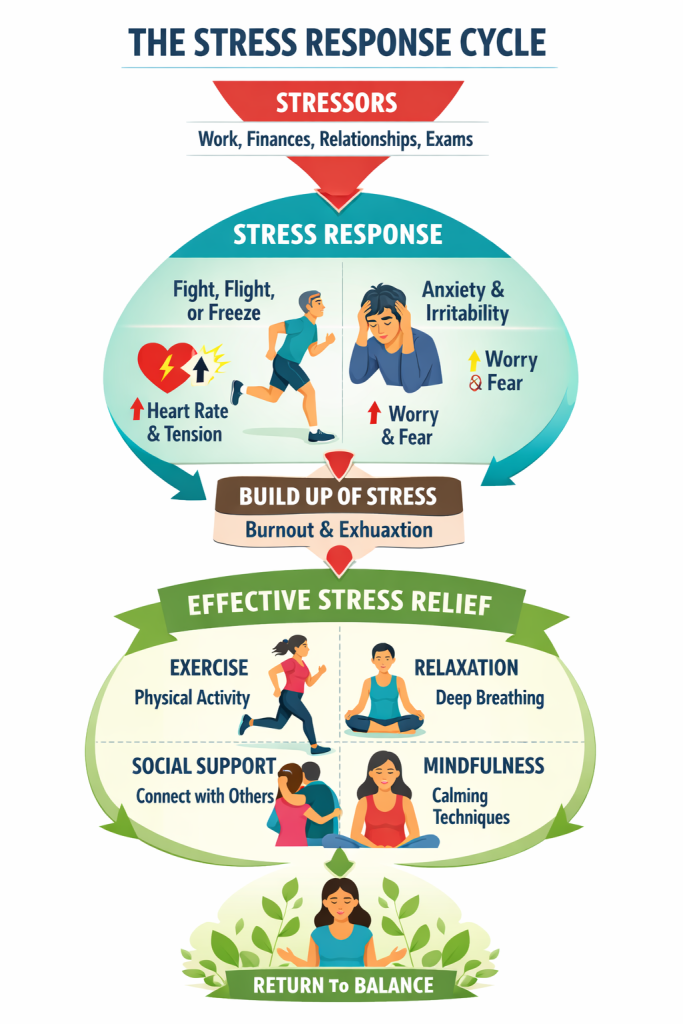
Core Effective Stress Management Techniques You Can Implement Today
- Mindfulness & Meditation
Mindfulness is the practice of being fully present in the moment, observing your thoughts and feelings without judgment. Meditation is a formal practice often used to cultivate mindfulness. These practices are incredibly effective stress management techniques because they train your brain to respond to stress differently. They help interrupt the cycle of negative rumination and foster a sense of calm. Regular practice can reduce cortisol levels, improve focus, and enhance emotional regulation.
• Simple Steps: Find a quiet spot, sit comfortably, and focus on your breath. When your mind wanders, gently bring your attention back to your breathing. Start with 5-10 minutes daily and gradually increase.
• Benefits: Reduced anxiety, improved sleep, enhanced emotional resilience, greater self-awareness. - Physical Activity & Exercise
Exercise is a powerful stress reliever, releasing endorphins which have mood-boosting effects. It also helps burn off stress hormones like cortisol and adrenaline. Even moderate physical activity can significantly reduce tension and improve your mood. Finding an activity you enjoy is key to making it a sustainable part of your routine.
• Types: Brisk walking, running, yoga, swimming, dancing, strength training
- Recommendations: Aim for at least 30 minutes of moderate-intensity exercise most days of the week.
- Benefits: Enhanced mood, better sleep, increased energy, improved self-esteem.
- Prioritizing Sleep for Mental Clarity
Lack of sleep can exacerbate stress, creating a vicious cycle. Quality sleep is essential for your body and mind to repair and recharge. When you’re well-rested, you’re better equipped to handle daily stressors. Establishing a consistent sleep schedule and creating a calming bedtime routine are crucial components of effective stress management techniques.
• Tips for Better Sleep: Go to bed and wake up at the same time daily (even weekends). Create a dark, cool, quiet sleep environment. Avoid caffeine and alcohol before bed. Limit screen time an hour before sleep.
- Building Strong Social Connections
Humans are social creatures, and strong social support acts as a buffer against stress. Connecting with friends, family, or community groups can provide emotional support, a sense of belonging, and different perspectives on problems. Sharing your feelings can lighten your burden and remind you that you’re not alone. Make time for meaningful interactions with people who uplift you.
- Ways to Connect: Reach out to a friend, join a club or volunteer group, spend quality time with family.
- Impact: Reduces feelings of isolation, boosts mood, offers practical and emotional support.
5.Time Management & Organization
Feeling overwhelmed by too many tasks can be a significant source of stress. Effective time management and organizational skills can reduce this burden significantly. Prioritizing tasks, setting realistic goals, and breaking down large projects into smaller steps can make your workload feel much more manageable. This proactive approach is one of the most practical effective stress management techniques.
- Key Strategies: Create a daily to-do list, prioritize using methods like the Eisenhower Matrix (urgent/important), learn to delegate.
- Benefits: Reduced overwhelm, increased productivity, greater sense of control.
6. Healthy Nutrition & Hydration
What you eat directly impacts your mood, energy levels, and ability to handle stress. A balanced diet rich in whole foods, fruits, vegetables, and lean proteins provides the nutrients your brain and body need to function optimally. Avoiding excessive sugar, processed foods, and unhealthy fats can stabilize blood sugar and reduce mood swings. Proper hydration is also crucial for cognitive function and energy. Drinking enough water supports your body’s ability to cope with daily demands. Consider this a foundational element among effective stress management techniques for overall well-being.
- Diet Tips: Focus on whole, unprocessed foods. Incorporate omega-3 fatty acids (fish, flaxseed). Limit caffeine and alcohol intake, which can worsen anxiety and disrupt sleep.
7. Setting Boundaries & Learning to Say No
A common source of stress comes from overcommitting or feeling obligated to meet everyone’s demands. Learning to set clear boundaries—both professionally and personally—is a vital self-care practice. Saying no to requests that overload your schedule or drain your energy protects your time and mental resources. This empowers you to prioritize your well-being and prevents burnout. It’s a challenging but highly effective stress management technique for maintaining balance.
- How to Practice: Clearly communicate your limits. Prioritize your own needs. Remember that ‘no’ is a complete sentence.
- Outcome: Increased personal autonomy, reduced resentment, greater mental energy.
8. The Power of Journaling and Self-Reflection
Journaling offers a private, therapeutic outlet to process thoughts and emotions. Putting your feelings onto paper can help you identify stress triggers, gain perspective, and uncover solutions you might not have considered. It allows for self-reflection and emotional release, preventing feelings from building up internally. Regular journaling is a profound and accessible effective stress management technique.
- Getting Started: Write freely for 10-15 minutes daily. Focus on your feelings, daily events, or gratitude.
- Benefits: Emotional clarity, reduced rumination, problem-solving, improved mood.
| Category of Technique | Examples | Key Benefits | Time Commitment |
| Mind-Body Practices | Meditation, Yoga, Deep Breathing | Calms nervous system, improves focus, reduces anxiety | Low (5-15 mins daily) |
| Lifestyle Adjustments | Exercise, Healthy Diet, Sleep Hygiene | Boosts physical health, increases energy, stabilizes mood | Moderate (30-60 mins daily) |
| Cognitive Strategies | Journaling, Time Management, Positive Affirmations | Enhances problem-solving, reduces overwhelm, shifts perspective | Low to Moderate (15-30 mins daily) |
| Social & Emotional Skills | Setting Boundaries, Seeking Support, Hobbies | Builds resilience, fosters connection, prevents burnout | Varies (as needed) |
Crafting Your Personalized Stress Management Plan
The beauty of effective stress management techniques lies in their adaptability. No single approach works for everyone, and your ideal plan will likely combine several strategies. Start by assessing your current stress levels and identifying your primary stressors. Then, select a few techniques that resonate with you and seem most feasible to implement.
Don’t try to change everything at once; sustainable change comes from small, consistent steps. Experiment with different methods, pay attention to how your body and mind respond, and adjust your plan as needed. The goal is to create a toolkit of strategies you can draw upon daily to maintain balance and respond constructively to life’s inevitable challenges.
Remember, managing stress is an ongoing journey, not a destination. There will be days when you feel more stressed than others, and that’s okay. The key is to have the tools and awareness to navigate those moments effectively. Consistency is more important than intensity when building new habits. Seek professional help if your stress feels overwhelming or persistent.
Harnessing effective stress management techniques is a powerful step towards a healthier, happier life. By consciously integrating these proven strategies into your routine, you equip yourself with the resilience needed to face life’s demands with greater calm and control. Start today, choose one or two techniques, and commit to consistent practice. Your well-being is worth the investment.
For further authoritative insights on managing stress, consider these resources: American Psychological Association (APA) on Stress and Mayo Clinic: Stress Management.