
In our fast-paced world, sustained attention is a superpower. Yet, modern life often leaves us feeling scattered and overwhelmed. The good news? A simple, accessible solution exists. It is called Mindful Movement: How 10 Minutes of Stretching Rewires Your Brain for Focus.
This article explores the profound connection between your body and mind. We will uncover how a brief, intentional stretching routine can fundamentally enhance your cognitive abilities. Get ready to transform your daily concentration.
Table of Contents
What is Mindful Movement, and Why Does it Matter?
Mindful movement is far more than simply stretching or exercising on autopilot. It is a deliberate practice of intentionally connecting with your body while moving. You bring full attention to the sensations arising in your muscles and joints, to the rhythm of your breath, to your posture, alignment, and the quality of each movement.
Instead of letting your mind wander or rushing through repetitions, you move with presence and curiosity—as if experiencing the movement for the first time. This practice cultivates present-moment awareness in motion. It creates a powerful bridge between your physical and mental states, turning movement into a form of moving meditation.
Mindful movement deeply engages two essential sensory systems: proprioception (your body’s ability to sense its position, orientation, and movement in space) and interoception (your ability to perceive internal bodily signals such as heartbeat, breathing patterns, muscle tension, temperature, and subtle energy shifts). Both of these senses are foundational for focus, emotional regulation, and overall self-awareness.
Why Does This Matter for Your Brain?
When you move with intention and awareness, something profound happens in the mind: the usual stream of mental chatter begins to quiet down. The constant loop of worries, plans, judgments, and distractions loses its grip as your attention anchors itself in the living, breathing, moving body. This creates a fertile inner ground for improved concentration, mental clarity, and emotional balance.
Over time, regular mindful movement strengthens key cognitive abilities. It enhances attention control, working memory, and cognitive flexibility. It reduces rumination and anxiety by activating the parasympathetic nervous system (the body’s “rest-and-digest” mode).
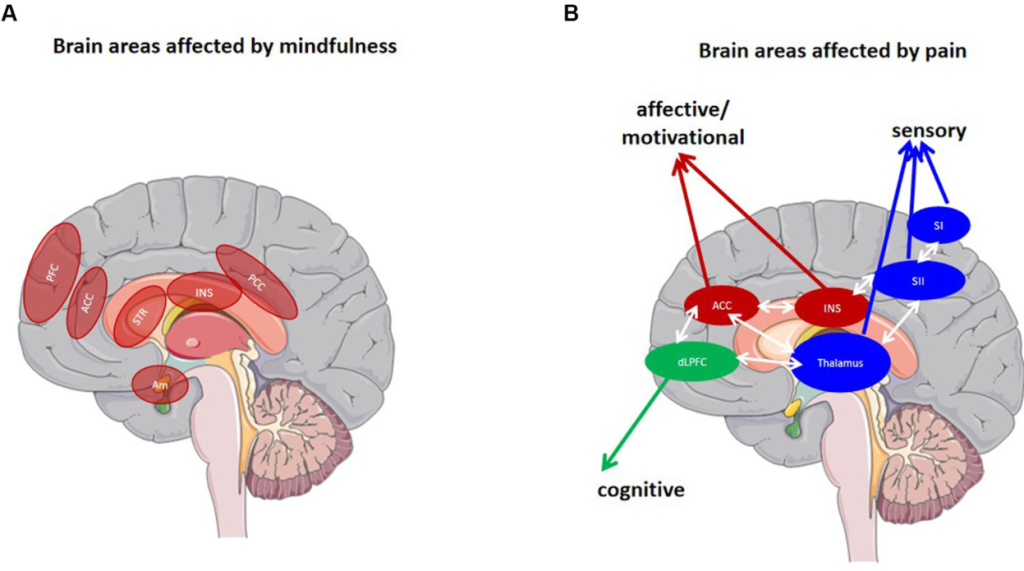
Neuroscientific research shows that practices combining mindful awareness with movement—such as yoga, tai chi, qigong, or even mindful walking—can increase gray matter density in brain regions associated with attention, emotional regulation, and self-referential processing (particularly the prefrontal cortex and insula).
Beyond the brain, mindful movement improves body awareness, which translates into better posture, reduced risk of injury, greater balance, and a more compassionate relationship with your physical self. It helps you notice tension before it becomes pain, fatigue before it becomes burnout, and calm before it slips away.
In a world filled with distractions and sedentary lifestyles, mindful movement matters because it reconnects us with ourselves. It transforms ordinary movement into a powerful tool for mental health, emotional resilience, and cognitive performance.
Whether you practice it through yoga, mindful walking in nature, slow strength training, dance, or gentle stretching, the core remains the same: moving with full attention, curiosity, and kindness toward your body.
The result? A sharper mind, a calmer nervous system, and a deeper sense of being at home in your own skin.
The Science Behind Mindful Movement and Focus
The science behind mindful movement and focus begins with the brain’s constant search for balance. Modern stress and sedentary habits throw this balance off, making concentration harder.
Mindful movement gently restores equilibrium by engaging key brain areas responsible for attention. It activates the prefrontal cortex, the region that controls executive functions like focus, decision-making, and working memory.
At the same time, mindful movement stimulates the cerebellum. This part of the brain not only coordinates smooth physical movements but also supports attention shifts and cognitive flexibility.
The practice also boosts blood flow to the brain, delivering more oxygen and nutrients. This naturally enhances cognitive performance and mental clarity.
Studies show that mindful movement lowers cortisol, the main stress hormone. Reduced cortisol levels mean less brain fog and sharper thinking.
It further increases alpha brain wave activity, creating a state of calm alertness that is perfect for learning and focused work.
The slow, intentional breathing in mindful movement activates the parasympathetic nervous system. This helps the body relax deeply, which in turn calms the mind and improves concentration.
Together, these effects create a powerful synergy between body and brain. Over time, mindful movement actually rewires the brain for better focus and mental resilience.
Learn more about the brain’s incredible capacity for change here.
Practical Steps: Your 10-Minute Mindful Movement Routine
Implementing mindful movement is far simpler than you might think. You don’t need special equipment, expensive classes, or hours of free time. Just dedicate 10 minutes a day to experience real transformation. Find a quiet space where you won’t be disturbed, and choose a comfortable position — you can practice standing, sitting, or even lying down. The key is to move slowly and intentionally while staying fully present with your breath and bodily sensations.
1.Start with Awareness (1 minute):
- Sit or stand comfortably. Close your eyes gently if safe.
- Take a few deep breaths, inhaling slowly and exhaling fully.
- Notice your body. How do your feet feel on the floor?
- Where do you sense any tension or ease in your body?
- Simply observe without judgment.
2.Gentle Neck and Shoulder Rolls (2 minutes):
- Slowly roll your shoulders forward, then backward.
- Coordinate this movement with your breath.
- Gently tilt your head to one side, ear towards shoulder.
- Hold briefly, feeling the stretch, then switch sides.
- Slowly roll your neck in half-circles, chin to chest.
- Focus on the sensation in your muscles.
3.Torso Twists (2 minutes):
- From a seated position, gently twist your upper body to one side.
- Place one hand on your opposite knee, the other behind you.
- Look over your shoulder, breathing into the twist.
- Hold for 20-30 seconds, then slowly unwind
- Repeat on the other side, moving with intention.
4.Cat-Cow Stretch (3 minutes – on hands and knees):
- Start on your hands and knees, wrists under shoulders, knees under hips.
- Inhale, drop your belly, lift your chest and tailbone (Cow pose).
- Exhale, round your spine, tuck your chin to your chest (Cat pose).
- Flow between these two poses, synchronizing with your breath.
- Feel the movement through your entire spine.
5.Hamstring and Hip Flexor Stretch (2 minutes):
- Stand up or sit with legs extended.
- Reach towards your toes, keeping a gentle bend in your knees.
- Feel the stretch in your hamstrings.
- For hip flexors, kneel on one knee, step the other foot forward.
- Gently lunge forward until you feel a stretch in the back hip.
- Hold each stretch for 30 seconds per side.
6.Final Grounding (1 minute):
- Return to a comfortable seated or standing position.
- Close your eyes again, if comfortable.
- Notice any changes in your body or mind.
- Acknowledge the feeling of calm and increased awareness.
- Take a few more deep breaths before opening your eyes.
Remember, in Mindful Movement, quality always matters more than quantity. Focus on the sensations in your body and the rhythm of your breath rather than forcing deep stretches. Make this practice a non-negotiable part of your daily life—consistency is what brings the deepest benefits. Even a short, mindful session each day can create lasting positive change.
Here are tips for seamless integration:
- Morning Ritual: Start your day with 10 minutes of stretching. This sets a positive tone for focus.
- Workday Breaks: Instead of scrolling, take a mindful stretch break. This combats desk fatigue effectively.
- Before Meetings: A quick 5-minute stretch can enhance your presence. It improves concentration during important discussions.
- Evening Wind-Down: Use this movement to release tension. This prepares your body and mind for restorative sleep.
- Set Reminders: Use your phone or calendar to prompt your sessions. Make it a habit you look forward to daily.
The beauty of this practice is its flexibility. You don’t need special equipment or lots of space. Just your body, your breath, and 10 intentional minutes.
For more strategies on managing stress and improving well-being, visit Harvard Health Publishing’s stress management section.
| Feature | Feature Mindful Movement | Passive Stretching |
| Primary Goal | Enhanced body-mind connection, focus, stress reduction | Increased flexibility, muscle lengthening |
| Brain Engagement | High (PFC, cerebellum, alpha waves) | Low to moderate (primarily motor cortex) |
| Body Awareness | High (deep attention to sensation and breath) | Moderate (focus on stretch sensation) |
| Impact on Focus | Directly improves concentration and mental clarity | Indirectly improves by reducing physical discomfort |
| Stress Reduction | Significant (cortisol reduction, PNS activation) | Moderate (physical release of tension) |
| Long-Term Benefits | Neuroplasticity, sustained focus, emotional regulation | Improved range of motion, injury prevention |
This comparison highlights the unique advantages of this practice.It’s a holistic approach to physical and mental well-being.
Common Myths About Stretching and Brain Health
Misconceptions hinder adopting beneficial practices. Let’s debunk myths about stretching and brain health.
1.Myth 1: Stretching is only for athletes.
- Reality: Everyone benefits from stretching. It improves circulation and reduces stiffness. This is especially true for sedentary individuals.
2.Myth2: You need to be very flexible for mindful movement.
- Reality: Not at all. This practice emphasizes awareness. It focuses on listening to your body, not achieving extreme poses.
3.Myth 4: Stretching only affects muscles, not the brain.
- Reality: As discussed, this practice directly impacts brain function. It influences neuroplasticity, focus, and stress levels significantly.
Understanding these points encourages informed practice. It helps you embrace the power of this movement fully.
My Personal Experience with Mindful Movement
I used to feel distracted most of the time. Even when I sat down to work, my mind would wander. That’s when I tried mindful movement.
For 7 days, I practiced slow breathing and gentle movements for just 10 minutes daily. At first, it felt strange. But by the third day, I noticed something surprising — my mind felt calmer, and I could focus longer without getting distracted.
This simple habit didn’t just improve my focus, it also made me feel more present and less stressed.
How to Practice Mindful Movement (Step-by-Step)
If you’re a beginner, start simple:
- 1.Find a quiet place
- 2.Sit or stand comfortably
- 3.Take slow, deep breaths
- 4.Move your body slowly (neck, shoulders, hands)
- 5.Pay attention to how your body feels
- 6.Stay present — don’t rush
Just 5–10 minutes a day is enough to start.
Who Should Try Mindful Movement?
- Students who struggle to focus
- People who feel stressed or overwhelmed
- Anyone who spends long hours on screens
- Beginners who want a simple mindfulness practice
Simple Tips to Stay Consistent
- Do it at the same time every day
- Start small (5 minutes)
- Don’t aim for perfection
- Focus on awareness, not performance

Beyond the Mat: Long-Term Benefits of Mindful Movement
The benefits of Mindful Movement extend far beyond immediate focus and relaxation. Consistent practice gradually builds powerful long-term improvements in both mental and physical health, creating positive changes that ripple through your entire life.
Regular Mindful Movement enhances emotional regulation, helping you manage daily stressors with greater ease. It also sharpens decision-making, sparks creativity, and promotes flexible, adaptive thinking by encouraging the formation of new neural pathways in the brain.
On the physical level, Mindful Movement improves posture, reduces chronic pain, and increases overall body awareness. These changes boost confidence and presence, ultimately supporting holistic well-being by seamlessly integrating physical, mental, and emotional health for a more balanced and fulfilling life.
Conclusion: Unlock Your Full Potential with Mindful Movement
The journey to enhanced focus and mental clarity doesn’t require drastic changes.It often begins with small, consistent, and intentional steps.
Mindful Movement: How 10 Minutes of Stretching Rewires Your Brain for Focus is one such powerful step.Embrace this simple yet profound practice daily.Witness your attention sharpen, stress diminish, well-being flourish.Start your 10-minute mindful movement routine today.Experience its transformative power for yourself. Your brain will thank you.
If you enjoyed this, you might also like my guide on feeling lost in your 20s.